Use and selection
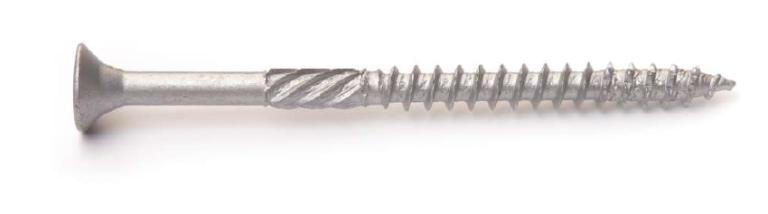
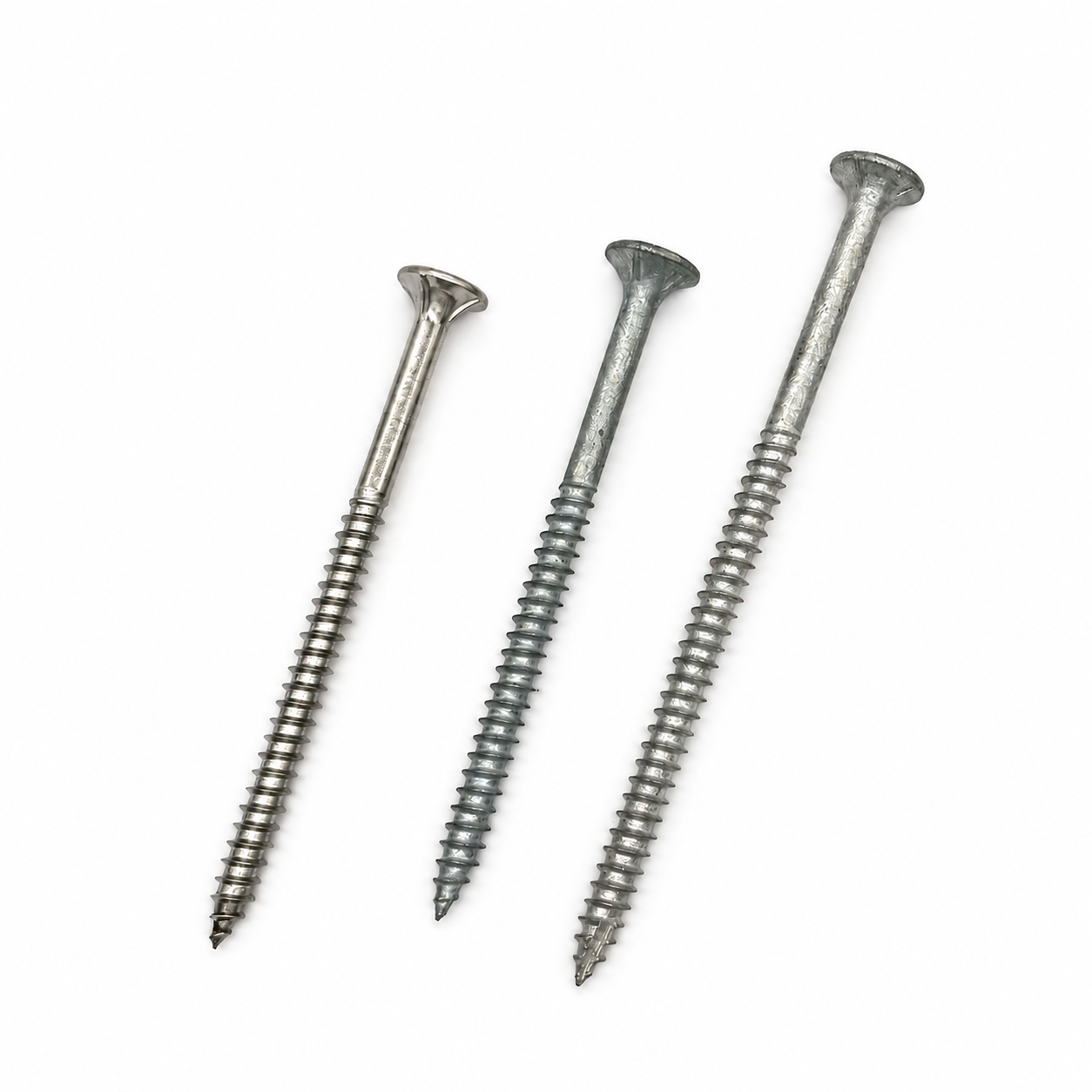
The bugle head, countersinking profile and Type 17 point identify this timber-framing and batten-fixing type. A useful connection detail shows the batten and supporting timber separately, the intended head position and the screw path through the joint. The required length and thread arrangement should come from that detail, together with the timber and exposure conditions.
Compare the configuration
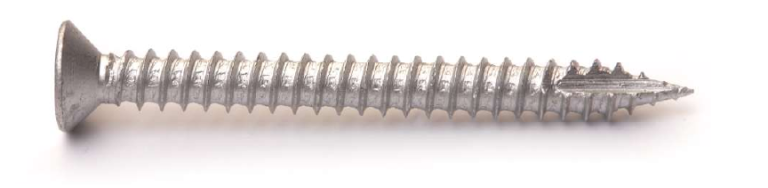
Countersunk Head Type 17 Chipboard Screw also names a Type 17 point but uses a countersunk chipboard-screw form. Multi-purpose Screw identifies additional nibs, a knurled section and sawed thread. Compare these configurations against the timber or board connection rather than treating all Type 17 screws as equivalent.
For your enquiry
- What timber members or battens are being joined, and what are their thicknesses?
- What head seating, screw length and thread arrangement does the drawing require?
- What exposure, finish, quantity and packing requirements apply?